From crash to courtroom: when an accident turns into a charge
The immediate aftermath: more than just a fender-bender
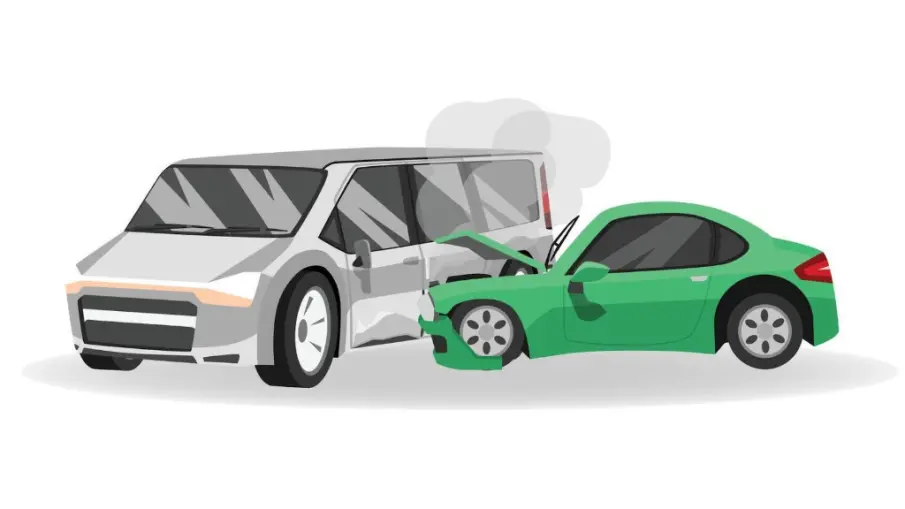
A collision on Ontario roads can feel like it happens in an instant. One moment you are driving, the next your vehicle shudders from impact. At first, everything seems straightforward—exchange of information, calls to insurance, perhaps a tow truck. But the presence of police can quickly change the tone.
Officers arriving on scene do not only manage traffic, write out Car Accident Ticket and check for injuries. They also evaluate whether the collision was simply an unfortunate event or evidence of a traffic offence. A small dent might hide signs of something larger: a driver who was following too closely, someone who was distracted by a phone, or a maneuver that ignored right-of-way. This is where the line between an insurance matter and a legal issue begins to appear.
What starts as a simple crash can transform into a case with legal consequences. Many drivers are caught off guard by how swiftly the focus shifts from damage on the road to potential charges in court.
Common charges stemming from an Ontario collision
In Ontario, several specific offences often arise from collisions, each tied to different driving behaviours.
- Follow too closely: Most common in rear-end collisions, this charge suggests a driver failed to keep enough distance.
- Unsafe lane change: When a sideswipe or merge incident occurs, police may view the lane movement as risky or inattentive.
- Fail to yield: Often connected to intersections or turns, this offence points to a driver moving ahead when the road was not clear.
- Careless driving: A broad and serious charge under the Highway Traffic Act. It can apply to many situations where a driver is seen as not paying sufficient attention or showing due care.
In more severe cases, police may consider offences under the Criminal Code. These include dangerous operation, where driving is seen as reckless, or fail to remain, when a driver leaves the scene without providing the required information.
Each of these charges reflects not just the accident itself, but an interpretation of how the driver’s actions may have contributed to it.
The dual battle: fighting the ticket vs. the insurance implications
What complicates matters further is that accident-related charges create two parallel challenges. One is the legal process in court, where a driver must decide whether to accept responsibility or contest the charge. The other is the insurance process, which assesses fault and records the event in the driver’s history.
Even if the charge has not yet been proven in court, the fact of being involved in a collision can influence how the situation is viewed elsewhere. The courtroom focuses on legal standards of evidence, while insurance uses its own set of rules to determine fault. These two tracks may unfold at different paces, but together they shape the experience of anyone dealing with the aftermath of an accident ticket.
Building your defence: it's not just your word against theirs
It is easy to assume that once a charge is laid, the outcome is already decided. Yet the reality is that drivers have the ability to build a defence, and the process relies on evidence.
Witnesses who observed the collision may offer a perspective different from the officer’s report. Photographs of the scene can show road conditions, vehicle positions, or traffic signals. Dashcam or surveillance footage sometimes reveals details otherwise forgotten. Even factors like weather and visibility can shift how the event is understood.
In Ontario’s provincial offences court, decisions are made not by assumption but by reviewing what is presented. A well-prepared defence can question inconsistencies, highlight missing details, and demonstrate that the version of events offered by the prosecution may not be the only one.
The courtroom process: what to expect after you fight your ticket
Challenging a charge follows a series of clear steps. The first decision is to enter a plea of not guilty, which sets the process in motion. After that comes disclosure, where the driver receives access to the evidence being relied upon—officer notes, statements, or photographs.
Some cases allow for early discussions with a prosecutor. These meetings, often called early resolution sessions, provide an opportunity to review the file, ask questions, and explore possible alternatives. If the matter proceeds, it is scheduled for trial.
On trial day, the officer may testify, evidence is presented, and the defence has a chance to cross-examine. The justice of the peace considers all of this before making a decision. Sometimes charges are upheld, sometimes dismissed, and in other cases they may be adjusted.
Why legal guidance is critical: protecting your record and your path forward
For many drivers, the most overwhelming part of this experience is the uncertainty. What does this charge mean? How will it affect driving privileges? How should one respond in court?
Professional guidance becomes valuable at this stage. Navigating the Highway Traffic Act, understanding courtroom procedures, and challenging technical points of evidence are tasks that benefit from expertise. Traffic Paralegal Services provides representation for drivers facing these circumstances, helping them handle the complexity of the system.
Legal representatives can question the accuracy of officer observations, point to procedural gaps, and emphasize mitigating factors.In this way, legal guidance is not only about arguing a case but also about ensuring that drivers understand their rights, their options, and the possible outcomes before stepping into court.
Collisions happen suddenly, but their consequences unfold slowly and with weight. What begins as a crash at an intersection or on a busy highway may grow into a legal matter that follows a driver into the courtroom. Recognizing the range of charges that can arise, preparing for both legal and insurance consequences, and gathering the right evidence all play a role in how the story develops.
More to Read:












Previous Posts: