The New Face of Distracted Driving: It’s Not Just Texting Anymore
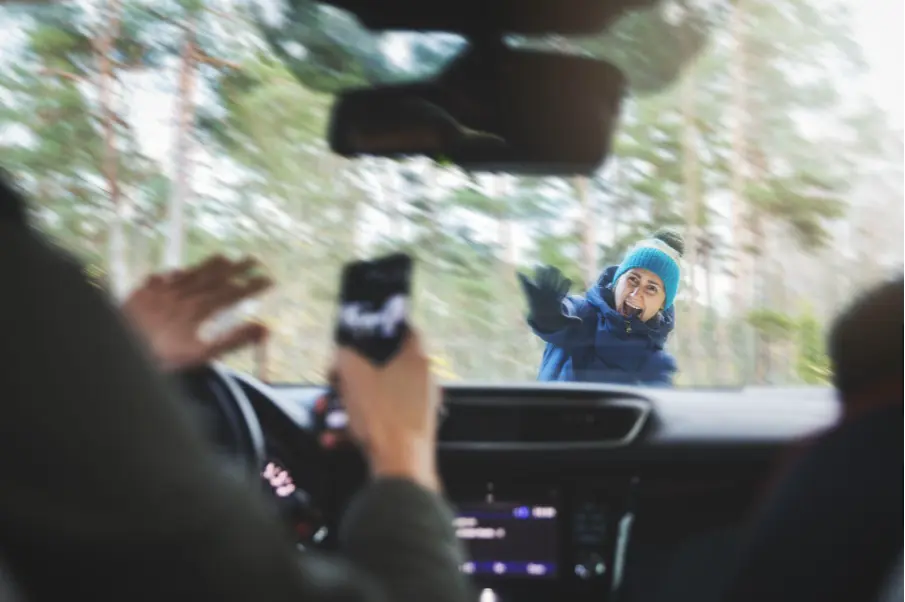
For years, distracted driving campaigns focused heavily on texting behind the wheel — and for good reason. Reading or sending a text while driving takes a driver’s eyes, hands, and attention away from the road, dramatically increasing the risk of an accident.
But distracted driving has evolved.
Today’s drivers face far more distractions than simply checking a phone notification. Modern vehicles are packed with digital technology, drivers are more connected than ever before, and distractions are now built directly into the driving experience itself.
As technology continues to reshape how people travel, distracted driving has become more complex, more subtle, and, in some ways, more dangerous.
Distracted Driving Is No Longer Just about Phones
Most drivers understand that texting while driving is risky. However, many do not realize how many other activities can impair focus behind the wheel.
Modern distractions now include:
- Touchscreen infotainment systems
- GPS navigation
- Streaming music and podcasts
- Voice assistants
- Smartwatches
- Social media notifications
- Hands-free phone calls
- In-car apps
- Eating while driving
- Grooming or applying makeup
- Adjusting digital vehicle settings.
Some distractions only take a few seconds, but even a brief lapse in attention can lead to a devastating collision.
At highway speeds, a vehicle can travel the length of a football field in just a few seconds. A driver who glances down at a screen or becomes mentally distracted during that time may completely miss stopped traffic, a pedestrian crossing, or a sudden hazard on the roadway.
The Rise of Touchscreen Vehicles
One of the biggest changes in modern driving is the widespread use of touchscreen controls inside vehicles.
In many newer cars, traditional buttons and knobs have been replaced with large digital displays that control:
- Climate settings
- Radio and entertainment
- Navigation
- Phone calls
- Vehicle settings
- Seat adjustments
- Driving modes.
While these systems may appear modern and convenient, they often require drivers to look away from the road for longer periods than traditional controls.
Unlike physical buttons that can often be operated by touch alone, digital menus require visual attention. Drivers may need to navigate through multiple screens just to perform simple tasks like changing the temperature or adjusting audio volume.
Studies have shown that touchscreen interactions can significantly increase cognitive load, leaving drivers mentally distracted even after returning their gaze to the road.
Hands-Free Doesn’t Always Mean Risk-Free
Many drivers assume hands-free technology eliminates distracted driving risks. Unfortunately, that is not always true.
While hands-free systems may reduce manual distraction, they can still create cognitive distraction. A driver engaged in an emotionally intense or mentally demanding phone conversation may become less aware of surrounding traffic conditions.
Research has shown that drivers using hands-free devices can experience:
- Reduced reaction times
- Missed traffic signals
- Reduced awareness of pedestrians or cyclists
- “Highway hypnosis” during long drives.
In some cases, drivers may look directly at hazards without fully processing what they are seeing because their attention is elsewhere.
This phenomenon is sometimes referred to as “inattentional blindness.”
Smart Technology Can Encourage Overconfidence
Modern vehicles now include advanced driver assistance systems such as:
- Lane keeping assistance
- Adaptive cruise control
- Automatic braking
- Parking assist
- Blind spot monitoring.
These features can improve safety when used properly. However, they may also encourage some drivers to become less engaged behind the wheel.
Drivers who overestimate the capabilities of these systems may:
- Use phones more frequently
- Take their hands off the wheel
- Pay less attention to traffic
- React more slowly during emergencies.
Despite marketing language suggesting semi-autonomous capabilities, most consumer vehicles still require full driver supervision at all times.
Technology can support safe driving, but it cannot replace attentive human judgment.
Young Drivers Face Unique Risks
Teen and young adult drivers often face particularly high distraction risks because they have grown up in an always-connected digital environment.
For younger drivers, smartphones and digital communication are deeply integrated into daily life. Notifications, messages, and social media updates can create constant pressure to stay engaged online, even while driving.
Inexperience behind the wheel, combined with digital distraction, can be especially dangerous.
However, distracted driving is not limited to younger generations. Adults of all ages now rely heavily on technology during daily commutes, work travel, and family transportation.
Commercial Drivers Face Increasing Pressure
Distracted driving is also becoming a growing concern among commercial vehicle operators.
Truck drivers, delivery drivers, rideshare operators, and other commercial drivers often depend on:
- GPS navigation
- Delivery tracking systems
- Dispatch communications
- Mobile apps
- Electronic logging devices.
At the same time, many face demanding schedules and long hours on the road.
Even a momentary distraction inside a large commercial vehicle can have catastrophic consequences for surrounding drivers. Accidents involving distracted truck drivers often result in severe injuries due to the size and weight of commercial vehicles.
The Consequences Can Last a Lifetime
Distracted driving accidents can lead to life-changing injuries, including:
- Traumatic brain injuries
- Spinal cord injuries
- Severe fractures
- Internal injuries
- Burn injuries
- Permanent disability.
Victims may require surgeries, rehabilitation, long-term medical treatment, and extensive time away from work.
In the most tragic cases, distracted driving accidents can result in wrongful death, leaving families to cope with emotional trauma and financial hardship at the same time.
These accidents are often preventable, which makes their impact even more devastating.
Proving Distracted Driving after an Accident
One challenge in distracted driving cases is proving what happened before the crash.
Drivers rarely admit they were distracted, and evidence may disappear quickly. However, investigators may use:
- Phone records
- Vehicle data
- Surveillance footage
- Witness testimony
- Traffic camera footage
- App usage records
- Crash reconstruction analysis.
An experienced personal injury lawyer in McCallen can help accident victims investigate the circumstances surrounding a crash and determine whether distraction may have played a role.
This can be critical when pursuing compensation for medical bills, lost wages, pain and suffering, and other damages.
Preventing Distracted Driving Starts with Awareness
Technology is not going away, and modern vehicles will likely become even more connected in the future. However, drivers can still take practical steps to reduce distraction risks.
Some of the most effective strategies include:
- Putting phones on “Do Not Disturb” mode while driving
- Setting navigation before starting the trip
- Avoiding multitasking behind the wheel
- Using voice commands sparingly
- Pulling over safely before responding to messages or calls
- Remaining fully engaged even when using driver assistance systems.
Ultimately, safe driving still requires active attention and responsibility.
The Road Ahead
Distracted driving is no longer limited to texting and driving. It has become a broader issue tied to modern technology, digital habits, and changing driver behavior.
As vehicles become smarter and more connected, the challenge for drivers is learning to use these tools without compromising safety.
Because at the end of the day, no technology can fully replace an attentive driver.
More to Read:











Previous Posts: