Common Defenses in Firearm-Related Criminal Cases in New Jersey
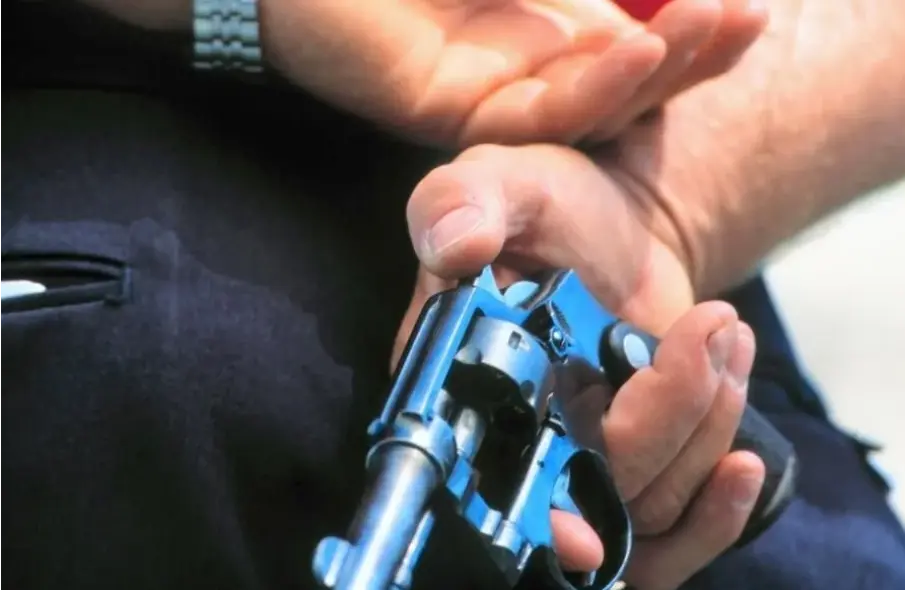
Being charged with a firearm offense in New Jersey is serious, and the penalties can be life-changing. However, charges do not mean you are automatically guilty. The law upholds your rights and possible defenses that may reduce or even dismiss the charges against you. From challenging how evidence was collected to showing you acted in self-defense, there are many strategies that can make a difference. Working with a skilled New Jersey gun crime lawyer gives you the guidance and protection you need to fight back.
Challenging the Investigation: Protecting Your Rights
Before a prosecutor can go after you, they have to show that the evidence was collected the right way. The U.S. Constitution and the New Jersey Constitution give you strong protections against unfair treatment by the government. If the police crossed the line during their investigation, that mistake can sometimes wipe out the evidence completely. And without evidence, the case against you may fall apart. That is why the early steps of an investigation often decide whether a case gets dismissed or goes to trial.
Unlawful Search and Seizure
You have the right to be free from unreasonable searches and seizures. If police found evidence, such as a gun, by breaking those rules, your lawyer can ask the court to throw out that evidence. If the judge agrees, the firearm and anything linked to it cannot be used against you.
Problems with a Search Warrant
Even when police get a warrant, it does not automatically mean the search is legal. A warrant can be challenged if it was issued without enough proof, if it was based on false information, or if officers went beyond what the warrant allowed. For example, if a warrant said they could search for a handgun, they cannot go digging through places where a gun could not possibly fit. If they do, anything they find may be thrown out.
When Evidence or Statements Do Not Count
It is not just about searches. Mistakes with evidence handling or questioning can also knock key parts of the case out.
- Miranda Rights: If police question you while you are in custody without first telling you that you have the right to stay silent and the right to a lawyer, anything you say could be suppressed.
- Chain of Custody: For physical evidence, like a gun, the state has to show exactly how it was handled from the moment it was taken until trial. If there is a break in that chain, the evidence can be challenged.
- Forensics: Even tests like ballistics or fingerprints are not perfect. Your lawyer can question the accuracy of the methods used.
Breaking Down the State’s Case
When the state brings charges, it is not enough for them to say you had a gun. They must prove every part of the charge beyond a reasonable doubt. If even one piece does not hold up, the whole case can fall apart. This is where your lawyer can go on the attack, showing that the state’s story is missing key facts about possession, knowledge, or intent.
The Question of Possession
The first big hurdle for the prosecutor is proving you actually “possessed” the weapon. But in the law, possession is not just about being near a gun. It means knowing it is there and having control over it.
- Actual Possession: This is when a gun is found directly on you, like in your pocket, bag, or holster. Even then, the state must show you knowingly had it under your control.
- Constructive Possession: This one is trickier. It applies when the gun is not on you but in a place you control. The state has to prove you knew the gun was there and intended to control it. For example, just being close to a weapon does not make you guilty.
- Mere Presence Is Not Enough: In New Jersey, simply being near a firearm is not enough for a conviction. Say a gun is found under a car seat with three people inside. The state cannot just charge everyone in the car. They must link the weapon to you with extra proof, like fingerprints, statements, or where the gun was found in relation to you.
Proving Intent
Many firearm charges also require proof of intent. This is about what was going on in your mind, which is often hard for the state to show. That makes intent a strong area for defense.
- Lack of Knowledge: If you truly did not know a gun was there, the state has a problem. This defense comes up often in cases where someone borrowed a car, shared a home, or had guests who left things behind. If the state cannot prove you knew about the weapon, the charge does not stick.
- No Unlawful Purpose: One of the toughest charges is “Possession of a Weapon for an Unlawful Purpose.” To convict, the state must prove both that you had the weapon and that you planned to use it in a crime. If you had the firearm for a lawful reason, such as self-defense, sport, or going to a range, the charge does not apply.
The Defense of Protecting Yourself
Sometimes you are not denying that you had or even used a gun. Instead, the point is that your actions were legal because you were protecting yourself, someone else, or your home. This is called an affirmative defense. The most common one in gun cases is self-defense. New Jersey law lays out when you are allowed to use force, even deadly force, to stay safe.
The Basics of Self-Defense
The heart of self-defense is justification. You can use force if you reasonably believe it is needed right then to stop someone else from using unlawful force against you.
Reasonable belief is the key. The question is whether a normal, careful person in your shoes would have believed that force was necessary. You do not have to be correct, only reasonable. The law looks at everything in the moment, such as size and age differences, past threats, and whether the other person was known for violence.
Retreat or Stand Your Ground
This part of the law often causes confusion. New Jersey is not a “Stand Your Ground” state. If you are outside your home, you must retreat if you know you can do so safely before using deadly force. If there is a safe way to escape, deadly force is not justified. This rule does not apply to non-deadly force.
At home, the rules change under what is known as the Castle Doctrine. You do not have to retreat if someone enters your home or attached porch and threatens death or serious harm. You may stand your ground and defend yourself or others. But this protection does not apply if you started the fight.
The rule is more complex if the aggressor also lives in the home. In that case, the duty to retreat may still apply, as the courts have decided.
Keeping Force Proportional
The law also says your response must match the threat. You cannot answer a slap or a raised fist with deadly force. If the response is far greater than the threat, the self-defense claim fails.
Deadly force means force meant to cause death or serious injury, or force that you know could cause it. Serious injury is something that risks death, leaves a lasting scar, or damages an organ or limb. You can only use deadly force if you reasonably believe it is the only way to protect yourself from an immediate threat of death or serious injury.
Protecting Your Rights Starts Now
If you are facing a firearm charge in New Jersey, remember that you have options and defenses that can be used to protect your future. Every case is unique, and the right strategy depends on the facts and the law. A knowledgeable New Jersey gun crime lawyer can review your situation, explain your rights, and build the defense that gives you the best chance at a fair outcome. Do not face these charges alone. Get the guidance and support you need today.
More to Read:












Previous Posts: