Understanding Alimony and Child Support Obligations

Divorce changes more than your relationship status. It reshapes your financial life and affects your family’s future. When emotions run high, the legal obligations tied to alimony and child support can feel overwhelming. Yet understanding them is essential. These payments aren’t just numbers on paper. They represent stability, fairness, and responsibility.
By learning how they work, you’ll be better prepared to protect yourself and your children. The process may seem complicated, but breaking it down step by step makes it manageable. Let’s explore alimony and child support clearly so you know what to expect and how to approach these obligations.
Defining Alimony
Alimony is financial support paid to a former spouse. Courts award it to help balance the scales when one spouse earns more or has greater resources. The goal is to meet the other spouse’s financial needs after divorce. Judges look at several factors, including the length of the marriage, each spouse’s earning capacity, and contributions made during the relationship.
It’s important to remember that alimony isn’t automatic. Courts consider fairness and the realities of life after separation. If one spouse sacrificed career opportunities to support the household, alimony may provide a way to restore balance. This obligation reflects the principle that both parties should have a fair chance to move forward.
Types of Alimony
Courts recognize that every divorce brings different circumstances, so they award distinct forms of support depending on the needs of each spouse.
- Temporary alimony: Covers living expenses during divorce proceedings, ensuring both spouses can manage daily costs until the case is finalized.
- Permanent alimony: Awarded in longer marriages when one spouse may never regain financial independence, providing ongoing stability. This type of support is becoming less common, and many states now limit duration.
- Rehabilitative alimony: Supports a spouse while they pursue education or training to reenter the workforce and achieve self-sufficiency.
If you’re unsure which type applies to your situation, it helps to speak with a trusted family law lawyer in Orlando or one in your city. They can explain how each option works and guide you toward the arrangement that protects your financial future. Professional advice ensures you don’t feel lost in the process and helps you make informed decisions.
Understanding Child Support
Child support is different from alimony. It’s money paid to ensure the well-being of minor children after divorce or separation. Courts prioritize the child’s best interests above all else. Support covers essentials like food, housing, clothing, and education. Unlike alimony, child support isn’t about balancing spousal income. It’s about safeguarding children’s lives and opportunities.
This obligation reflects a parent’s ongoing responsibility. Even after divorce, both parents remain accountable for their children’s needs. Child support ensures that children don’t suffer financially because of changes in family structure. It’s a way to maintain stability and continuity in their lives.
How Courts Calculate Support
Courts use guidelines to calculate both alimony and child support. For child support, formulas focus on income and custody arrangements, with the parent who has primary custody usually receiving more support. For alimony, judges may also weigh living expenses and overall financial circumstances.
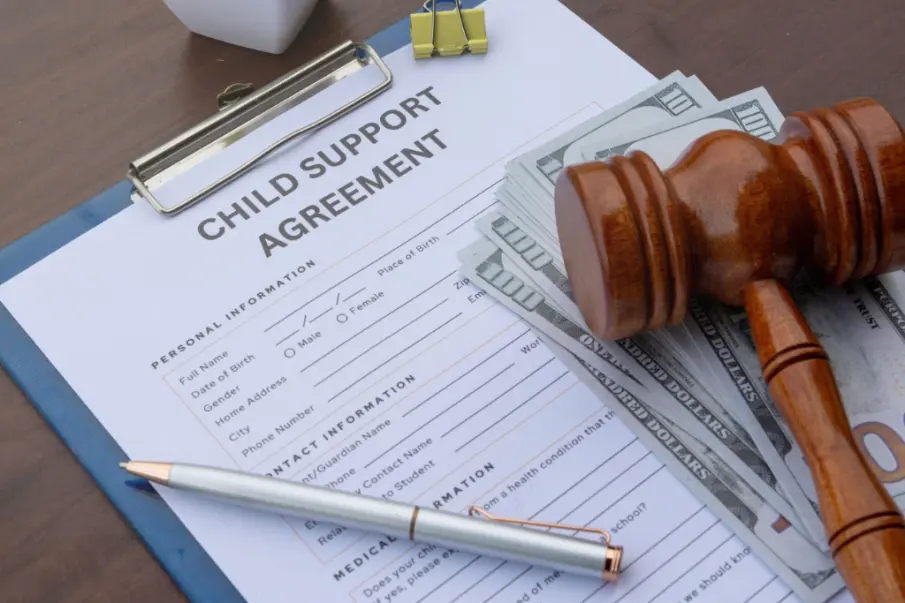
States vary in their formulas, but the principle is the same: fairness and consistency. Judges want to ensure children and former spouses aren’t left struggling.
These calculations aim to create balanced outcomes. By applying clear formulas, courts minimize disputes and provide predictable results. Understanding these factors helps you anticipate what obligations may look like in your case.
Enforcement and Consequences
Failing to meet obligations has serious consequences. Courts can order wages to be directly withheld from your paycheck, seize tax refunds, or suspend driver’s licenses. In extreme cases, nonpayment can even lead to jail time. These measures may sound harsh, but they exist to protect families. Compliance isn’t optional. It’s a legal duty.
Staying current with payments avoids penalties and keeps trust intact. Meeting obligations also shows respect for the court’s authority and for your family’s needs. When you follow through, you reduce stress and prevent conflicts from intensifying.
Modifications and Adjustments
Life changes, and so can support obligations. Job loss, remarriage, or relocation may justify a modification. But you can’t simply stop paying. You must petition the court to adjust the order. Judges will review your circumstances and decide if changes are fair.
This process ensures both sides remain accountable. It also prevents disputes from turning into bigger problems.
Practical Tips for Managing Obligations
Managing alimony and child support takes planning, but breaking the process into clear steps makes it easier to stay on track.
- Create a budget: Account for monthly payments so you know exactly what you can afford.
- Keep records: Document every transaction to protect yourself if questions arise later.
- Stay proactive: Anticipate challenges, address issues early, and take steps to handle them quickly.
By following these practical strategies, you’ll reduce stress and maintain stability for yourself and your family.
Bottom Line
Alimony and child support aren’t just legal terms. They’re commitments that shape lives after divorce. Understanding how they work helps you meet responsibilities with resilience. From defining alimony to calculating child support, every step matters.
When you approach these obligations with foresight, you protect your family’s future. And that’s the real goal: building stability and security as you move forward.
More to Read:












Previous Posts: