The Link Between Las Vegas Sports Events and Citywide Traffic Surges
Las Vegas is not only a city of neon lights and casino floors—it’s also home to some of the biggest sporting events and concerts in the country. From Raiders games at Allegiant Stadium to Golden Knights hockey matches, international boxing cards, Formula 1, UFC fight nights, and high-profile concerts on the Strip, these events attract hundreds of thousands of people. Along with the entertainment comes a less glamorous reality: citywide traffic surges.
When the streets are packed with cars, rideshares, and shuttle buses, the chances of collisions inevitably increase. Understanding how and why these spikes occur is key not just for residents and visitors but also for policymakers and legal professionals who deal with the aftermath.
Event Days and the Anatomy of a Traffic Surge
On an ordinary weekday, Las Vegas traffic is already challenging around the Strip. Add 60,000 fans heading to Allegiant Stadium or a multi-day festival, and the road network struggles to keep up. The city’s unique geography makes this worse: most venues are clustered near the Strip, funnelling vehicles into already narrow corridors.
Unlike in some metropolitan areas where sports arenas sit on the outskirts, Las Vegas puts its attractions right in the middle of dense hotel and casino districts. That means locals heading home from work, tourists navigating the Strip, and eventgoers rushing to their seats all converge at once. The results are predictable—gridlock, frustrated drivers, and, unfortunately, more collisions.
Why Collisions Spike Around Sports and Concerts
Several factors converge on big event nights to push crash risk higher:
Stop-and-Go Congestion
Long stretches of stop-and-go traffic raise the odds of fender-benders. Drivers brake harder, merge aggressively, and often misjudge following distances. Even minor contact can create ripple effects, causing secondary crashes as traffic slows further.
Distracted Navigation
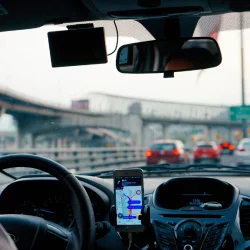
Out-of-town visitors unfamiliar with Las Vegas roads often rely heavily on GPS, taking last-minute turns or sudden lane changes. Add flashing billboards, bright lights, and crowded streets, and distraction becomes a given.
Alcohol and Impairment
Sports and concerts are social experiences, and alcohol sales are a major part of the business model. Fans who drink and then attempt to drive amplify collision risks significantly. Ride-hailing services help, but impaired driving incidents remain a consistent issue after big games.
Pedestrian Overload
Las Vegas is unusual in that huge numbers of fans walk from nearby hotels to the stadiums. When tens of thousands pour onto crosswalks and sidewalks, driver awareness becomes critical. Collisions don’t just happen between cars—pedestrian accidents also spike.
Ripple Effects Across the Valley
Traffic spikes aren’t confined to the Strip or stadium perimeters. Major events spill traffic into neighborhoods, freeways, and even suburban arteries. For example, an Allegiant Stadium event affects I-15 miles away, while a major boxing card at T-Mobile Arena can slow traffic deep into Henderson and Summerlin.
The city’s reliance on rideshare services further compounds congestion. Designated pick-up and drop-off zones often overflow, leading to double-parking, illegal U-turns, and risky pedestrian crossings. Collisions can and do occur far from the actual event, yet they are part of the same surge cycle.
Why These Surges Matter
For a legal-minded audience, traffic surges highlight questions of liability and infrastructure. When collisions happen during high-traffic windows, causes can be multi-layered:
- Was the driver negligent due to distraction, speeding, or impairment?
- Did event organizers provide adequate traffic control, signage, or pedestrian protections?
- Were city planners responsible for anticipating gridlock and mitigating risks?
In congested environments, pinning down liability requires careful analysis of each contributing factor. Courts and insurers alike recognize that the chaos of event-driven traffic makes investigations more complex.
This is where firms that handle traffic-related claims pay close attention. For example, Las Vegas car accident attorneys often track traffic patterns connected to event calendars, understanding that game day collisions may carry context beyond a simple fender-bender.
On the other hand, in a city like Philadelphia, where stadiums are clustered in a sports complex with clearer entry and exit routes, a Philadelphia car accident lawyer may see different case dynamics, even if the core issues of negligence and liability overlap.
Infrastructure Strain and Citywide Costs
Beyond the human impact, traffic surges tied to events impose real financial costs on Las Vegas. Accidents delay emergency responders, clog intersections, and strain police tasked with traffic management. Insurance claims from event-day crashes also drive up premiums citywide.
City planners have tried to adapt, from creating special shuttle routes to experimenting with temporary road closures. Yet with Las Vegas hosting larger and more frequent events—from Super Bowls to F1 races—the challenge is scaling infrastructure to meet surges that push far beyond ordinary demand.
Technology as a Partial Fix
Some solutions are emerging through technology. Real-time traffic management tools, predictive modeling, and smart signals are being tested to ease congestion. Rideshare partnerships and designated zones, if properly enforced, can reduce mid-block chaos.
But technology can only go so far. Driver behavior remains the single largest factor in event-related collisions. Impatience, distraction, and impairment all spike under pressure, and no app can fully prevent that.
Balancing Entertainment and Safety
Las Vegas thrives on being a destination city, and mega-events are part of its identity. The challenge is balancing entertainment with public safety. While the Strip’s draw is unlikely to shrink, awareness of traffic surge risks can help shape smarter planning, better enforcement, and safer roads.
For legal professionals, the link between sports events, concerts, and citywide collisions underscores the need to analyze accidents not just as isolated events but as part of larger traffic ecosystems. Collisions during an ordinary Tuesday commute may look very different from those happening when 70,000 fans are flooding the Strip.
When the Spotlight Fades, Risks Remain
Las Vegas offers unmatched entertainment, but the city pays a price in traffic surges and increased collision risks tied to sports and concerts. The legal and logistical stakes are high: from individual liability questions to broader infrastructure challenges, every big event is a stress test for the city’s roads.
Understanding this link isn’t about discouraging the spectacle—it’s about recognizing the risks that come with it. For residents, visitors, and professionals alike, appreciating how major games and concerts reshape traffic patterns is the first step toward reducing the accidents that too often follow the final whistle or encore.
More to Read:











Previous Posts: