Frequent leaves to Periya double murder convicts sparks debate; officials say it is prisoners' legal right
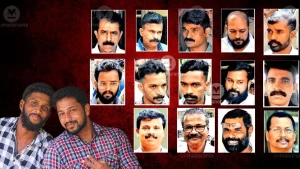
 Recent leaves granted to convicts in the Periya double murder case have sparked debate, but officials maintain it's a legal right.
Summary
The frequent granting of leave to convicts in the Periya double murder case, particularly towards the end of the previous LDF government's term, has drawn public and media scrutiny, with some labeling it as political indulgence. However, prison authorities assert that these leaves are granted strictly according to prison rules and statutory provisions, not as discretionary favors. Convicts like Ranjith T, A Peethambaran, and Gijin are currently on leave, having served time for the 2019 murder of Youth Congress workers Sarathlal P K and Kripesh.
Prison officials explain that ordinary leave is a statutory entitlement for most prisoners, including those serving life sentences, excluding those convicted of child sexual abuse or NDPS Act offenses. Prisoners can earn up to 60 days of leave annually, often taking it in 15-day intervals to maintain family and societal connections, aligning with the goal of reform and rehabilitation. The authorities also clarified the distinction between 'leave' – a right – and 'remission' – an incentive earned through good behavior and work.
The political criticism surrounding these leaves has lessened recently, with opposition leaders noting the convicts were initially denied parole or leave for nearly six years. Unusual restrictions have been placed on the Periya convicts' release, barring them from their native village and the Bekal police station limits, a condition not seen in other cases like the T P Chandrasekharan murder case. The CPM has reportedly arranged accommodation for the convicts and their families outside these restricted areas, acknowledging the importance of human rights.
(Source:Malayala Manorama)