When Evidence Can Be Deepfaked, How Do Courts Decide What’s Real?
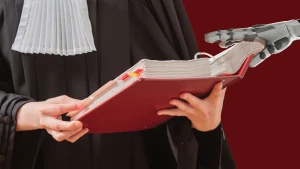
 As deepfakes become increasingly realistic, the justice system faces challenges in determining the authenticity of evidence and maintaining public trust.
Summary
The article explores the growing threat of deepfakes to the legal system, where photographic, video, and audio evidence are traditionally considered highly persuasive. As AI technology advances, the ability to fabricate convincing evidence raises concerns about the reliability of evidence and the potential for wrongful convictions or acquittals. Experts predict that distinguishing between real and AI-generated content will become increasingly difficult, potentially leading to widespread skepticism towards all evidence presented in court.
The article highlights the implications for cases of domestic violence, where audio and visual evidence can be crucial in establishing a narrative when no other witnesses are present. The erosion of trust in evidence could disproportionately harm complainants in such cases. The Law Commission of Ontario is studying the collision between the justice system’s need for certainty and AI’s capacity to create doubt, with recommendations for legal reform expected soon.
Beyond deepfakes, the increasing use of AI in risk assessments, predictive policing, and legal research raises concerns about transparency and fairness. Algorithmic bias, particularly racial bias, is a significant issue, as algorithms trained on biased data can perpetuate and amplify existing inequalities. The article concludes by emphasizing the need for public consultation and careful consideration of the ethical implications of AI in the justice system, questioning whether society is willing to accept the potential trade-offs between safety, liberty, and fairness in an age of artificial intelligence.
(Source:Thewalrus Ca News)